
As the Registrar of the Climate Friendly Travel (CFT) registry, managed by SUNx Malta, I talk with managers and owners of amazing properties, all over the world. We now have more than 1100 registered companies, and this is a selection of some of the more recent additions to the CFT Collection.
Vietnam
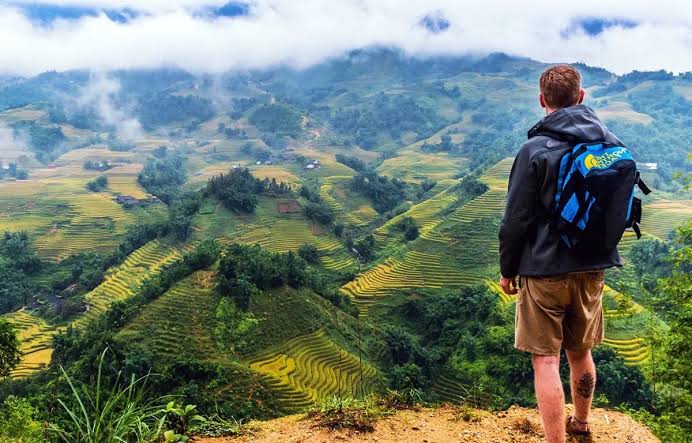
One of the members of CFT registry in Vietnam is YESD Vietnam (Youth Employment and Society Development in Vietnam). It is a social enterprise founded by three young women in 2015 that tries to reduce the negative impacts of mass tourism by empowering ethnic minorities, training underprivileged youth, and funding local infrastructure.
The triple bottom line of environmental protection, social development and economic prosperity is the basis for all the trips that YESD organises. They have a clear set of guidelines for travelers as well: https://lnkd.in/eq9t6rRx.
All their tours prioritize low-impact travel like trekking, cycling and kayaking and the company takes great efforts to reduce the environmental impact of all their activities.
I am very happy that they have joined our CFT Collection. (photo from their website).
Mozambique
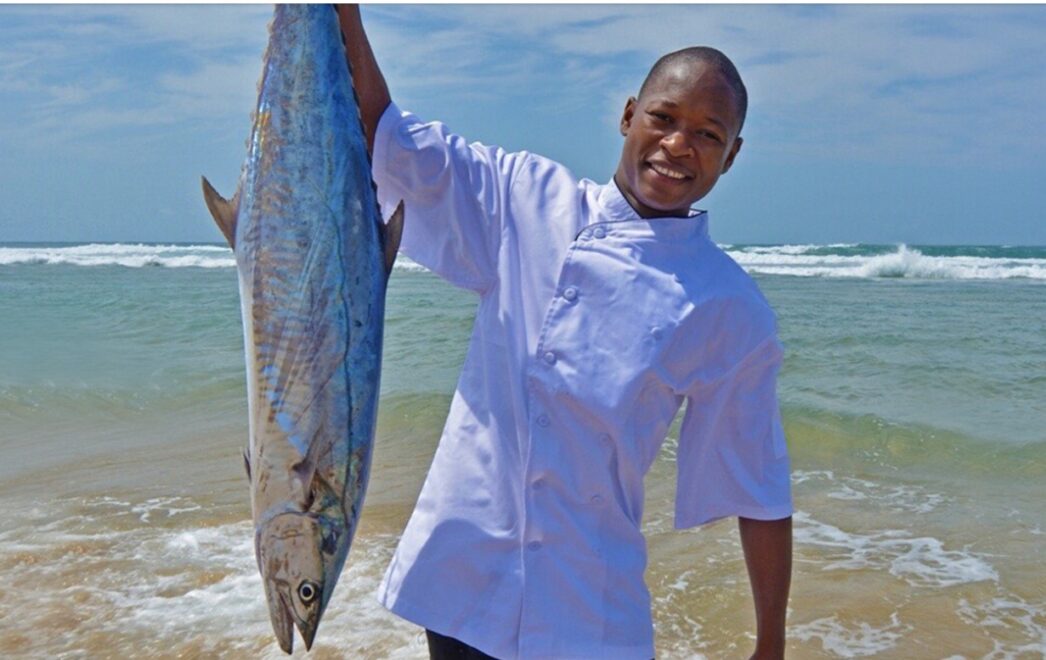
Anvil Bay Lodge in Mozambique is entirely off-the-grid using a solar farm and a large battery storage bank, and the canvas and thatch design provides natural air conditioning from the sea breeze to eliminate the need for electric cooling systems. It utilizes rainwater harvesting alongside an eco-friendly groundwater borehole system, and built-in composting infrastructure significantly minimizes waste and protects the local water table. To reduce delivery truck emissions through the nature reserve, the lodge often utilizes a traditional wind-powered dhow sailboat to transport groceries across the bay from Maputo. The lodge joined the CFT Collection earlier this year.
One of the solutions to saving nature relies on creating sustainable enterprises where local communities and national parks coexist. The Mozambique Government granted the Chemucane Community an ecotourism concession in the Maputo National Park, and this has created such an opportunity.
The Chemucane Tourism Company – CTC is a joint venture between the local community and a philanthropic trust established for the benefit of the Chemucane community. CTC operates Anvil Bay Lodge, and this has already created significant benefits for the community in terms of skills transfer, construction and hospitality jobs and the purchase of local materials, products and services. All benefits from a holiday at Anvil Bay accrue to the community while concession fees support conservation efforts in the park.
The photo is taken from their website
Uganda
We have more than 100 members of the CFT Collection in Uganda, and one of the recent ones is Nkuringo Safaris, a Ugandan-owned, woman-led travel company, with its base in Entebbe, on Lake Victoria. The roots of Nkuringo can be traced back to a small village in Eastern Uganda where families, gorillas, and forests share the same steep hillsides. Building a safari company there means living every day with the consequences of how guests travel, where money ends up, and who gets access to the resources.
Nature conservation can only be successful through community engagement and Nkuringo works with the Gorilla Junction Foundation to turn that understanding into reality – making sure that profit from the safaris is used to create skills, small businesses, and livelihood options for families living at the edge of the national park. Every safari they run includes a contribution to the Foundation of 10USD per person per night, while the trip supports local guides, local lodge operation staff, nature conservation fees, and engagement with partner communities across the route.
The company’s own lodges in Bwindi, Entebbe, and Kibale are designed as living examples of what responsible travel can look like day-to-day: supporting local teams in stable jobs, careful water and energy use, raising awareness of guests about conservation and community life, in accommodation built to be part of the landscape.
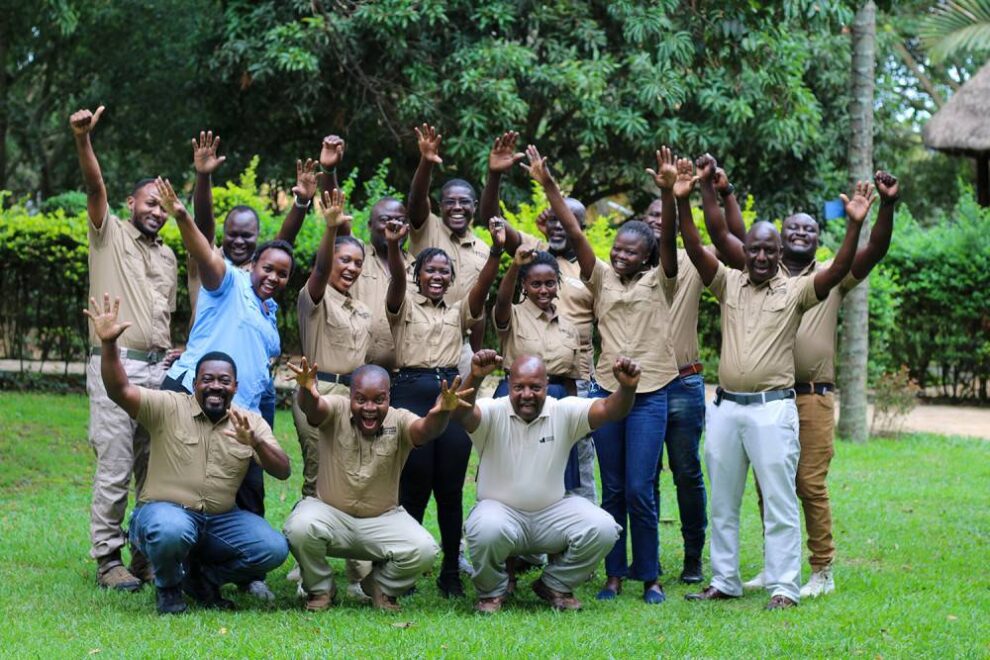
The team at Nkuringo
Malta
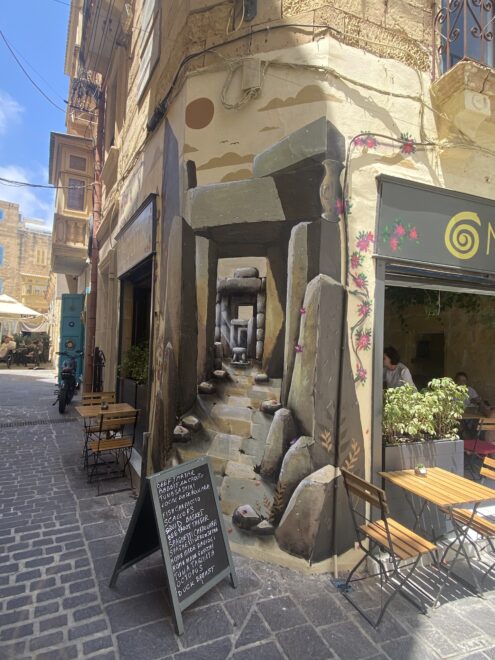
One of the CFT-listed hotels in Malta, Marcellino Boutique Living in Victoria, Gozo, was not long ago renovated within a carefully reconstructed historic building in the centre of the old town. Retaining the thick, original limestone walls provides natural thermal mass insulation, which dramatically lowers the energy needed for seasonal cooling and heating.
The restaurant of the hotel, Neolitik Kitchen & Lounge, integrates sustainability primarily through local ingredient sourcing and menu seasonality. The kitchen creates dishes from local produce, including Gozitan dates, Maltese sausage, and local spinach.
Neolitik reduces single-use plastic waste by serving local Fontana Water in recyclable glass bottles. Being returned up to 10 times means that only one glass bottle of Fontana water is used instead of 10 single-use bottles, drastically reducing the waste taken to landfill.
However, located in the middle of Victoria makes it difficult to introduce energy and water conservation activities. Therefore, stays with the hotel are bookable through Impt.io’s carbon-neutral hotel programme, and every booking removes 1 ton of UN-verified CO₂ from the atmosphere.
Switzerland
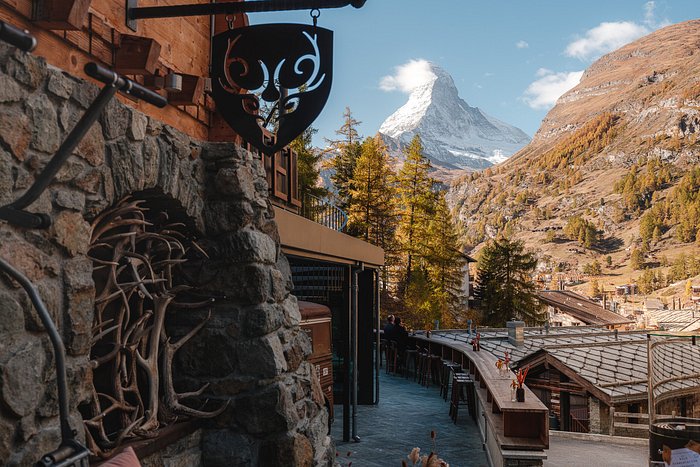
A member of the CFT Collection in Switzerland is CERVO Mountain Resort in Zermatt. As the hotel is based in a fragile mountain ecosystem, it has incorporated ecological, social, and regenerative practices into every aspect of its operations.
Geothermal energy and earth probes cover most of the resort’s heating and additional energy is reclaimed from wastewater and commercial refrigeration to heat utility water. Solar power collectors on the balconies funnel additional power straight back into the geothermal storage probes, and electricity throughout the resort is generated through Swiss hydropower.
The vast majority of ingredients and materials are sourced within a strict 150-kilometer radius to minimize transport emissions, and the resort works directly with local cheese suppliers and bakeries in Zermatt. The property manages its own native forest plot and maintains on-site bee colonies to support alpine pollination, while its restaurants prioritize plant-based dining, featuring seasonal vegetables and herbs from the Valais Region
All public and guest spaces are completely free of single-use plastics, and guest rooms feature local, plastic-free furnishings and refillable, biodegradable cosmetic products with biodegradable ingredients from local suppliers. Waste reduction is prioritized across departments, including the use of natural cleaning agents.
Cambodia
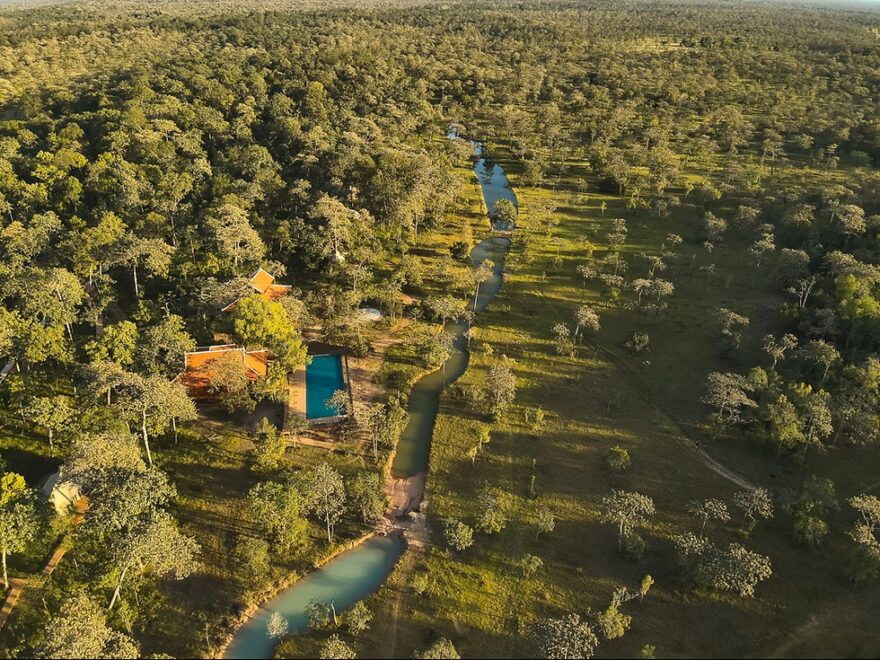
Siempang Forest Lodge in northern Cambodia is another member of the CFT Collection. The lodge is a critical component of a holistic approach to nature conservation, developed by conservation organisation Rising Phoenix Co. Ltd. They have created an effective conservation model that restores degraded forests, protects wildlife in the Siem Pang Wildlife Sanctuary and empowers local communities around the nature reserve. Participating farmers earn premium prices for growing organic jasmine rice and adopting environmentally beneficial practices – significantly increasing annual income for more than 1,300 households.
Rising Phoenix has become a regional leader in the protection of Critically Endangered species, including the Siamese crocodile and the Banteng. They helped to stabilise the populations of five Critically Endangered bird species, including the national bird of Cambodia the giant ibis, and have pioneered wetland restoration in the dry forest, restoring over 60 ephemeral forest pools for the benefit of wildlife.
The lodge itself offers employment opportunities to a new generation of young adults, building local capacity and creating income sources that do not depend on unsustainable forest exploitation. Revenue generated by the lodge is one way in which we hope to achieve this, and every visit to Siempang Forest Lodge supports the work of Rising Phoenix and contribute to the preservation of this fragile and biodiverse area.
Egypt
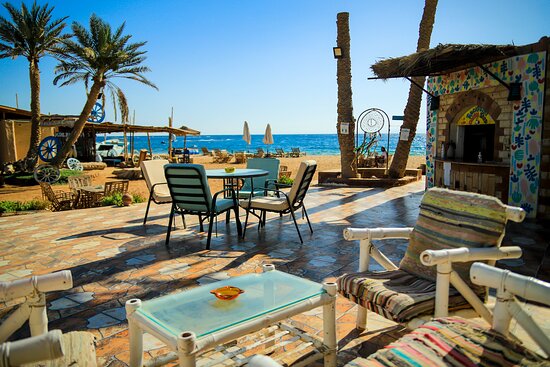
The Habiba Community in Egypt began as an “eco-lodge” on the coast of the Sinai Desert, and has evolved in an interconnected development model, linking desert regeneration farming, eco-tourism, and education into a circular system that drives sustainable living in Sinai.
Local farms supply fresh organic produce to the beach lodge, revenues fund the learning centre, and youth programmes empower Bedouin participants to lead local community development activities.
As part of Ecosystem Restoration Communities, Habiba has restored more than 22,000 m² of desert in the last decade, boosting biodiversity and water security.
Habiba’s success depends on partnerships that bring together researchers, innovators and local families to solve real environmental challenges. By combining scientific research with local knowledge, collaborative ideas are turning into real improvements in soil health, water use, food production and community wellbeing.
Footnote
These are just some of the amazing properties on the CFT Registry. I will share more examples in the next post.

0 comments
Write a comment